
Saudi Arabia’s hospitality sector is transitioning from seasonal peaks driven by religious pilgrimages to a robust, year-round growth engine fueled by tourism, infrastructure, and rising domestic demand. For manufacturers and distributors of hospitality equipment and machinery, this evolution presents a high-potential market offering sustained demand across the calendar.
According to the Ministry of Tourism, the number of licensed hospitality establishments in Saudi Arabia grew 69% year-over-year in 2024, with total room capacity of 475,970. This capacity expansion reflects not only the tourism boost but also the widening scope of hospitality investments nationwide.
These three key demand drivers are reshaping the Kingdom’s hospitality landscape, creating fresh opportunities for equipment and service providers.
- Religious tourism: Hajj and Umrah
Hajj, the annual Islamic pilgrimage to Mecca and one of the five pillars of Islam, takes place during the month of Dhu al-Hijjah, the last month of the Islamic lunar calendar, drawing millions of Muslims worldwide. In 2025, according to the General Authority for Statistics (GASTAT), Saudi Arabia welcomed over 1.67 million Hajj pilgrims, including more than 1.5 million international visitors, highlighting the ongoing growth and global significance of this annual event.
In addition to Hajj, millions also perform Umrah, a pilgrimage to Mecca that, unlike Hajj, can be undertaken at any time of the year. GASTAT also reported that in 2024 Saudi Arabia welcomed 35.68 million Umrah performers (+34% year on year), including approximately 16.8 million international and 18.88 million domestic visitors.
The scale of these religious gatherings generates ongoing demand for robust hospitality infrastructure, from mass catering kitchens and refrigeration systems to high-capacity laundry facilities and efficient food and waste management. These systems are critical to delivering reliable, high-capacity service throughout the demanding pilgrimage seasons. - Leisure and heritage tourism
In 2024, according to the Saudi Ministry of Tourism, Saudi Arabia welcomed 30 million international tourists, an 8% increase from 2023. Inbound tourism spending reached a record SR 153.6 billion (around $40.95 billion), up nearly 14% year‑on‑year.
Domestic tourism also grew steadily, with 86.2 million domestic visits, 5% more than in 2023. Combined, domestic and international tourism accounted for 116 million visits in 2024. These figures not only highlight strong economic growth but also signal the expanding global appeal of Saudi Arabia as a year-round destination. While religious pilgrimage remains central, leisure, cultural, and family travel now make up the majority of inbound visits. Destinations like AlUla, Diriyah, the Red Sea, NEOM, and Amaala are transforming into vibrant centers of exploration, offering visitors access to ancient heritage sites, world-class wellness retreats, desert adventures, and curated cultural experiences. These developments reflect Saudi Arabia’s ambition to position itself as a destination where tradition meets innovation, and where hospitality enhances every journey.
For equipment and service providers, this evolution presents not just commercial potential, but a meaningful role in shaping visitor experiences, through advanced kitchen systems, professional-grade beverage solutions, upscale furnishings, and intelligent service technologies that support immersive, memorable stays. - Domestic and business travel
A steadily expanding calendar of regional festivals and cultural initiatives is reshaping domestic travel flows and hospitality needs across Saudi Arabia. These initiatives, such as the Quality-of-Life initiative, part of Vision 2030, are encouraging greater engagement with the arts, sport, and recreation. One of its flagship outcomes, Riyadh Season (running every year October to March) attracted more than 18 million visitors in its most recent edition. Regional events like the Qemam Mountain Arts Festival in Abha (January 2024), Jeddah Season (June to September), and Passport to the World Khobar (April-May 2025), extend leisure activity across cities and climates, drawing residents and visitors alike.
Beyond leisure, a growing calendar of cultural and business events is reshaping travel patterns within the Kingdom. As new economic sectors take shape across the Kingdom, the MICE segment (Meetings, Incentives, Conferences, and Exhibitions) is expanding steadily. Cities like Riyadh, Jeddah, and Dhahran are now regular hosts of high-level conferences, trade expos, and commercial summits, driving steady traffic across both weekdays and weekends.
This hybrid demand, combining lifestyle tourism with corporate mobility, is prompting operators to rethink layout, flexibility, and service logistics. Hospitality venues are prioritizing modular kitchens that support fast reconfiguration, compact appliances suited for limited urban space, and high-efficiency systems that reduce downtime across high-use periods. From conference hotel kitchens to cultural venue cafés, operators are seeking solutions that can scale quickly, clean easily, and perform consistently under changing loads.
For suppliers, this environment offers sustained, practical demand for durable, adaptable technologies that help clients streamline back-of-house operations. Procurement priorities are shifting from one-time capacity to long-term serviceability, uptime, and support, positioning reliable vendors as key partners in enabling hospitality teams to deliver confidently through varied usage cycles and evolving guest profiles.
Equipment and machinery: A market for consistent demand
The move toward a year-round hospitality economy creates consistent procurement opportunities across a wide spectrum of segments:
- Mass foodservice and commissary kitchens supporting large-scale pilgrimages and group dining
- Luxury beverage and coffee systems catering to resorts and premium hotels
- Refrigeration and cold chain solutions for multi-site operators
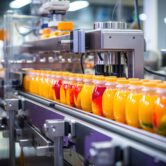
- Bakery, gelato, and pastry production lines for food retail and hotel catering
- Smart furniture, fittings, and tableware aligning with evolving design standards
Outlook: A market built for scale
The 2024 Vision 2030 annual report highlights that, having surpassed the initial target of 100 million tourists ahead of schedule, Saudi Arabia has now raised its goal to 150 million annual visitors by 2030. Hospitality licensing reforms, investment incentives, and expanding regional connectivity continue to accelerate this growth.
For suppliers engaging with Saudi Arabia’s evolving hospitality ecosystem, the market offers a compelling blend of scale, sustained demand, and long-term growth potential.
With institutional buyers, mega-project developers, and private operators driving sustained investment, Saudi Arabia is moving beyond seasonal peaks to establish a continuous, year-round pipeline of demand.
💡 Click here to join Host Arabia and connect with Saudi Arabia’s fast-growing hospitality scene, seizing year-round opportunities.